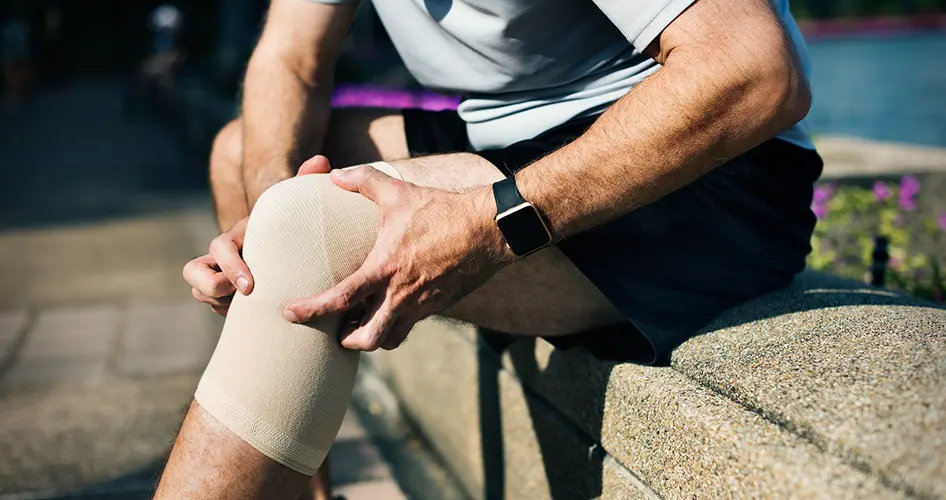
Weekend Warrior Syndrome is increasingly common as more adults shift from sedentary weekday routines to high-intensity physical activity on weekends. Whether it’s a long hike, a competitive game of tennis, or an intense gym session, the sudden spike in physical demand can place significant stress on the body.
This pattern often leads to injuries that fall into two main categories: acute and chronic. Understanding the difference between them is essential for proper recovery, long-term joint health, and preventing recurring pain.
In this guide, we’ll break down how Weekend Warrior Syndrome develops, how acute and chronic injuries differ, and what steps can help support recovery and prevention through movement-focused care and chiropractic support, including services available through Chelsea Chiropractic and Massage.
Weekend Warrior Syndrome refers to a pattern where individuals engage in intense physical activity without consistent conditioning throughout the week. This sudden shift from low activity to high exertion can overwhelm muscles, joints, and connective tissues.
The Weekend Warrior Lifestyle
This condition is commonly seen in individuals who:
Sit for long hours during the workweek
Exercise intensely only on weekends
Participate in recreational sports or fitness classes occasionally
Attempt high-performance workouts without gradual conditioning
While staying active is beneficial, inconsistency in movement patterns can increase strain on the body when activity resumes.
Why Injury Risk Increases
Weekend warriors are more likely to experience injuries due to:
Limited warm-up and mobility preparation
Muscle stiffness from inactivity during the week
Sudden increases in training intensity
Reduced neuromuscular coordination
Imbalances in strength and flexibility
Over time, this cycle can lead to both acute injuries and chronic overuse conditions that may benefit from evaluation and care at Chelsea Chiropractic and Massage.
An acute injury occurs suddenly, often as a result of a specific movement, impact, or accident. These injuries typically present immediate symptoms and are easier to pinpoint in terms of cause.
Common Acute Injuries in Weekend Warriors
Muscle strains or tears
Ligament sprains
Ankle rolls or twists
Shoulder or knee injuries from impact
Sudden lower back spasms
Sports collisions or falls
Symptoms of Acute Injuries
Immediate pain during activity
Swelling or inflammation
Bruising around the injured area
Limited movement or stiffness
Difficulty bearing weight or using the joint
Acute injuries often require prompt attention, and many individuals seek support through Chelsea Chiropractic and Massage for movement assessment and recovery guidance.
Chronic injuries develop gradually over time due to repeated stress, poor movement patterns, or insufficient recovery. Unlike acute injuries, they are not linked to a single incident.
Common Chronic Injuries in Weekend Warriors
Tendonitis from repetitive strain
Plantar fasciitis from foot stress
Runner’s knee (patellofemoral pain syndrome)
Tennis elbow
Achilles tendon irritation
Ongoing lower back discomfort
Shoulder impingement
Symptoms of Chronic Injuries
Persistent or recurring pain
Stiffness after activity
Gradual loss of mobility
Ongoing discomfort during exercise
Reduced performance over time
Chronic injuries often reflect underlying movement or alignment issues, which are commonly evaluated through services at Chelsea Chiropractic and Massage.
Key Differences Between Acute and Chronic Injuries
Onset Of Pain
Acute injuries appear suddenly
Chronic injuries develop gradually over time
Cause of Injury
Acute: trauma, impact, or sudden overload
Chronic: repetitive stress, poor alignment, or overuse
Recovery Timeline
Acute injuries may improve with short-term rest and early care
Chronic injuries often require long-term corrective support
Treatment Approach
Acute care focuses on reducing inflammation and protecting the injury
Chronic care focuses on restoring movement, correcting imbalances, and improving biomechanics through approaches used at Chelsea Chiropractic and Massage
Why Weekend Warrior Injuries Often Affect Specific Areas
Weekend Warrior Syndrome commonly impacts the lower back, knees, and feet because these areas absorb most mechanical stress during movement.
The Role of Biomechanics
When one area of the body is misaligned, it affects the entire chain of movement. For example, foot dysfunction can influence knee tracking, hip stability, and spinal posture.
Overuse and Load Stress
Activities like running, jumping, and lifting place repeated force on weight-bearing joints. Without consistent conditioning, these areas become more vulnerable to strain.
Recovery Imbalances
Skipping recovery practices such as stretching or returning too quickly to activity can increase cumulative stress on the body, often leading individuals to seek support from Chelsea Chiropractic and Massage.
Risk Factors for Weekend Warrior Injuries
Sedentary work environments
Limited flexibility or mobility training
Muscle imbalances
Improper footwear during exercise
Lack of progressive training programs
Age-related changes in recovery capacity
Addressing these factors early can significantly reduce injury risk and improve long-term movement quality.
When to Seek Professional Care
Not all soreness is a sign of injury, but certain symptoms should be evaluated:
Pain lasting more than a few days
Repeated injuries in the same area
Reduced strength or mobility
Joint instability or clicking sensations
Discomfort during daily movement
Early care at Chelsea Chiropractic and Massage can help prevent acute injuries from developing into chronic conditions.
How Chiropractic Care Supports Recovery
Chiropractic care focuses on restoring movement, improving alignment, and supporting the body’s natural healing process.
At Chelsea Chiropractic and Massage, care is centered on understanding how the musculoskeletal system works as a whole, from the feet to the spine.
Benefits for Active Individuals
Improved joint mobility and function
Reduced muscle tension and stiffness
Enhanced recovery after physical activity
Better posture and movement efficiency
Support for both acute and chronic injuries
For sports-related conditions, targeted support is available through Chelsea Chiropractic and Massage, including specialized approaches for back pain, neck strain, and repetitive sports injuries.
The Role of Foot Mechanics in Injury Prevention
The feet form the foundation of movement, and even small imbalances can affect the entire body.
When foot alignment is off, it can contribute to knee pain, hip tension, and spinal discomfort over time.
Why Support Matters
Proper foot support helps:
Improve balance and stability
Reduce joint strain during movement
Enhance shock absorption
Support efficient gait mechanics
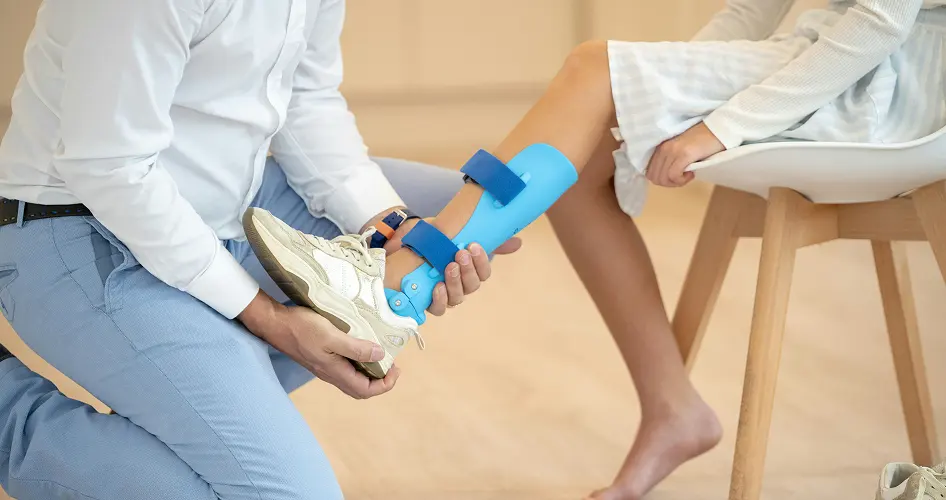
Custom Orthotics and Alignment
Custom orthotics are often used alongside chiropractic care at Chelsea Chiropractic and Massage to help support alignment from the ground up and improve overall movement efficiency.
Consistency is more effective than intensity when building long-term resilience.
Recovery Strategies for Acute and Chronic Injuries
Weekend Warrior Syndrome recovery depends on properly addressing both acute and chronic injuries through a balanced, structured approach.
Rest and activity modification
Gentle mobility and stretching
Chiropractic adjustments
Soft tissue therapy
Strengthening and stabilization exercises
Corrective movement training
These approaches help restore function, improve movement efficiency, and reduce the likelihood of recurring injury patterns.
Weekend Warrior Syndrome highlights the importance of consistent movement, proper preparation, and balanced training habits, while understanding the difference between acute and chronic injuries is key to effective recovery and long-term injury prevention. Whether dealing with sudden pain or ongoing discomfort, addressing the root cause of movement imbalances is essential for lasting results. Through chiropractic care, corrective movement strategies, and supportive therapies at Chelsea Chiropractic and Massage, active individuals can improve comfort, stability, and overall performance. For those looking to improve mobility, recover from sports injuries, or prevent recurring strain, Chelsea Chiropractic and Massage offers a movement-focused approach designed to support long-term musculoskeletal health.
Weekend Warrior Syndrome refers to injuries or discomfort that occur when someone engages in intense physical activity on weekends without maintaining consistent exercise during the week.
What is the difference between acute and chronic injuries?
Acute injuries happen suddenly due to a specific event, while chronic injuries develop gradually from repeated stress or poor movement patterns.
Can Weekend Warrior Syndrome lead to long-term pain?
Yes. Without proper management, repeated strain can develop into chronic conditions that require ongoing care.
Why are weekend warriors more prone to injury?
They often experience sudden activity spikes, limited warm-up, and muscle stiffness from inactivity during the week.
Can chiropractic care help sports injuries?
Yes. Chelsea Chiropractic and Massage provides care that supports mobility, reduces tension, and addresses movement imbalances.
How does foot alignment affect injury risk?
Poor foot alignment can impact knee, hip, and spinal mechanics, increasing strain throughout the body.
Can custom orthotics help?
Yes. They may help improve alignment, balance, and movement efficiency when combined with chiropractic care.
Where can I get help for Weekend Warrior injuries?
Support for movement-related injuries and recovery is available through Chelsea Chiropractic and Massage, which focuses on improving mobility, alignment, and long-term musculoskeletal health.