Sports injuries can affect anyone, from competitive athletes and runners to gym-goers and active adults trying to stay healthy. Whether caused by overtraining, poor movement mechanics, repetitive stress, or sudden impact, injuries can interfere with performance, mobility, and daily life.
The good news is that many sports injuries are preventable with the right combination of conditioning, recovery, body awareness, and supportive care. Understanding how injuries develop can help athletes make smarter training decisions and reduce unnecessary strain on the body.
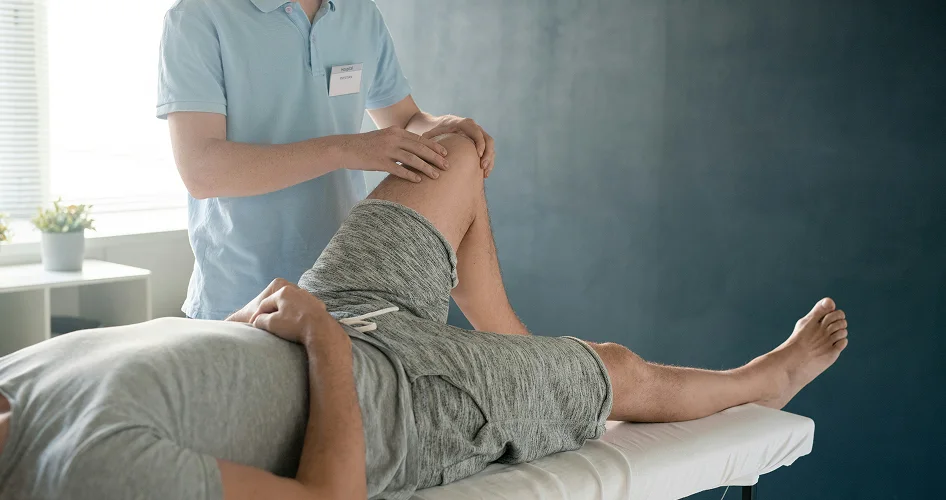
At Chelsea Chiropractic and Massage, treatment approaches often focus on movement efficiency, spinal alignment, soft tissue recovery, and biomechanical support to help active individuals stay mobile and reduce injury risk over time.
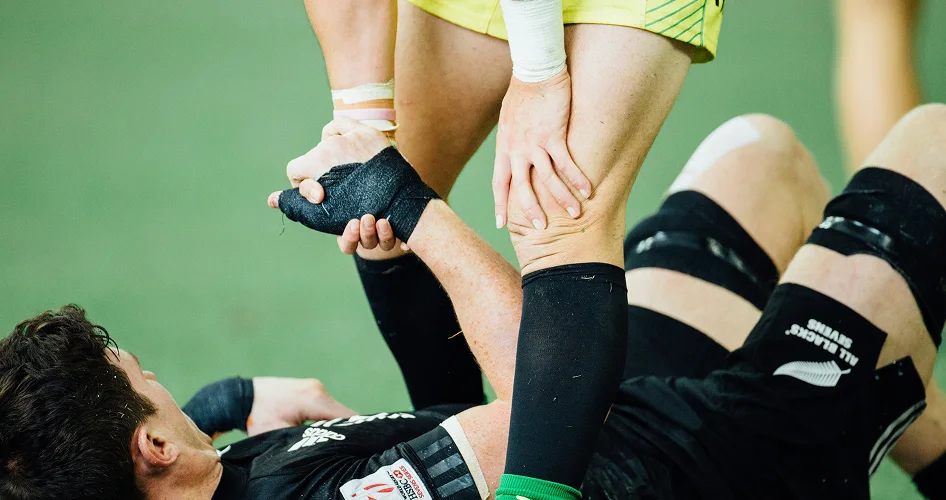
Sports injuries occur when muscles, tendons, ligaments, joints, or bones experience excessive stress during physical activity. Some injuries happen suddenly during exercise or competition, while others develop gradually due to repetitive movement and overuse.
Acute vs. Overuse Sports Injuries
Acute injuries happen suddenly and are often linked to falls, collisions, twists, or abrupt movements. Examples include:
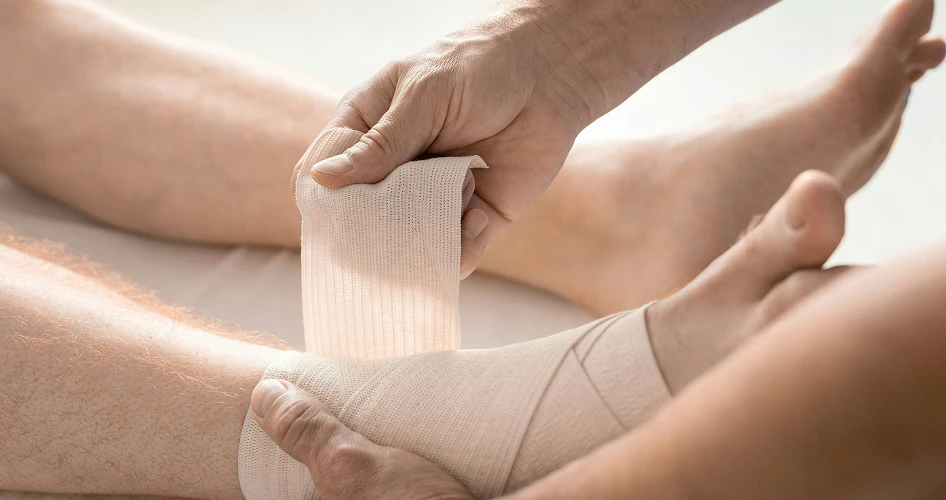
Ankle sprains
Muscle strains
Shoulder dislocations
Knee ligament injuries
Overuse injuries develop over time from repetitive stress without adequate recovery. Common examples include:
Shin splints
Plantar fasciitis
Tennis elbow
Tendonitis
Runner’s knee
Both types of injuries can impact athletic performance and long-term mobility if not properly addressed.
Many sports injuries stem from preventable factors rather than isolated accidents.
Common causes include:
Poor warm-up routines
Overtraining without proper recovery
Muscle imbalances
Incorrect exercise form
Weak core stability
Tight muscles and restricted mobility
Improper footwear
Poor posture and biomechanics
Sudden increases in training intensity
When movement patterns become inefficient, the body compensates in ways that place extra stress on joints and muscles. Over time, this may contribute to chronic discomfort and repetitive injuries.
These overuse injuries affect the tendons around the elbow joint and are common in sports involving repetitive arm movement.
Sports Commonly Associated With Elbow Injuries
Tennis
Golf
Baseball
Weightlifting
Racquet sports
Prevention Tips
Athletes may reduce elbow strain through:
Proper sports technique
Forearm strengthening
Mobility exercises
Stretching routines
Adequate rest between activities
Shoulder Injuries
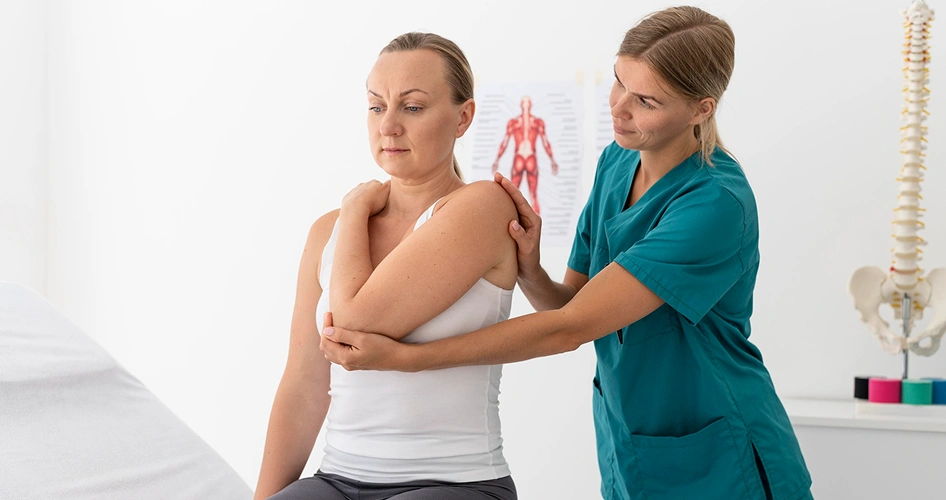
Shoulder injuries frequently affect athletes involved in overhead sports and repetitive upper-body movement.
Common Shoulder Problems
Rotator cuff strain
Shoulder impingement
Joint instability
Muscle tightness
Preventing Shoulder Injuries
Helpful strategies include:
Strengthening stabilizer muscles
Improving posture
Increasing shoulder mobility
Avoiding overtraining
Using proper lifting technique
Addressing posture and spinal alignment may also help improve shoulder mechanics during activity.
Lower Back Injuries
The lower back experiences significant stress during sports, lifting, and repetitive movement.
Common Causes of Sports-Related Back Pain
Poor lifting mechanics
Weak core muscles
Tight hips
Muscle imbalance
Repetitive spinal stress
Preventing Lower Back Injuries
Athletes can help protect the lower back through:
Core strengthening
Mobility training
Proper exercise form
Flexibility work
Balanced strength training
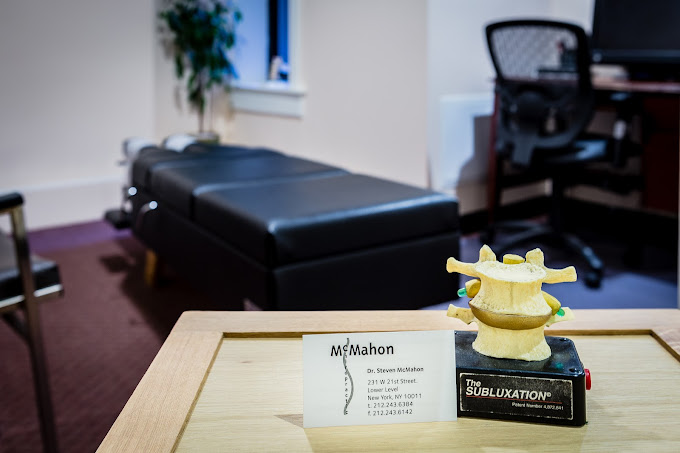
Chiropractic care may help improve spinal mobility and movement efficiency while reducing unnecessary stress on surrounding muscles and joints.
The Importance of Biomechanics in Sports Injury Prevention
Biomechanics refers to how the body moves during physical activity. Poor biomechanics can contribute to repeated stress on muscles, joints, and connective tissues.
How the Feet Affect the Entire Body
The feet provide the foundation for movement. Problems involving foot alignment may affect:
Ankles
Knees
Hips
Pelvis
Lower back
Posture
When the feet do not properly absorb impact or support alignment, the rest of the body may compensate in unhealthy ways.
Why Athletes Benefit From Custom Orthotics
Custom orthotics may provide:
Improved balance and stability
Better shock absorption
Reduced joint stress
Enhanced posture
Improved gait mechanics
Better overall movement efficiency
Athletes who run, jump, stand for long periods, or participate in repetitive sports activities often benefit from personalized biomechanical support.
Best Ways to Prevent Sports Injuries
Preventing sports injuries requires a proactive and consistent approach.
Warm Up Properly
Dynamic warm-ups help prepare muscles and joints for activity.
Examples include:
Leg swings
Walking lunges
Arm circles
Light jogging
Mobility drills
Prioritize Recovery
Recovery is essential for tissue repair and performance.
Healthy recovery habits include:
Adequate sleep
Hydration
Stretching
Rest days
Foam rolling
Massage therapy
Build Strength and Mobility
Balanced conditioning may help reduce stress on vulnerable joints and muscles.
Focus areas include:
Core strength
Hip stability
Flexibility
Joint mobility
Functional movement patterns
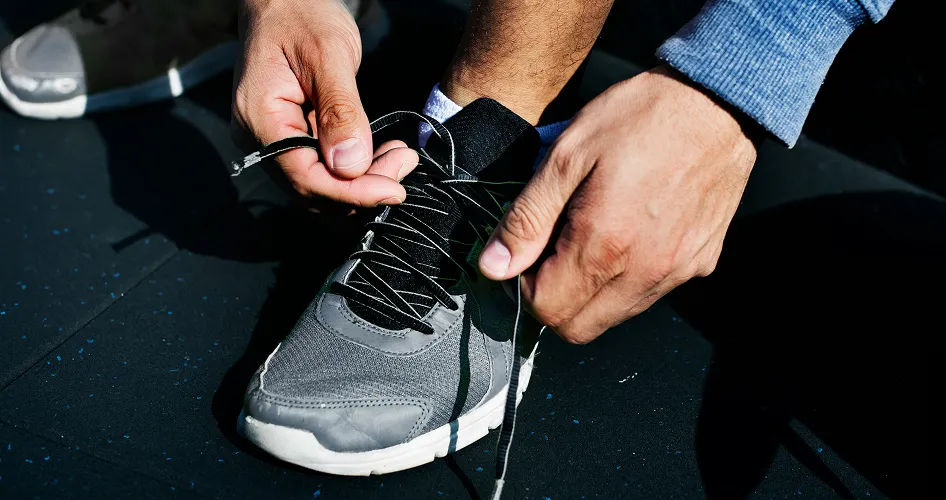
Wear Proper Footwear
Worn-out or unsupportive shoes can negatively affect alignment and increase injury risk.
Athletes should:
Replace athletic shoes regularly
Choose sport-specific footwear
Consider orthotic support when needed
How Chiropractic Care and Massage Therapy Support Athletes
Athletes often seek supportive therapies to improve recovery, movement quality, and overall performance.
Benefits of Chiropractic Care
Chiropractic care may help support:
Joint mobility
Spinal alignment
Flexibility
Movement efficiency
Muscle balance
Benefits of Massage Therapy
Massage therapy may help:
Reduce muscle tension
Improve circulation
Support recovery
Reduce stiffness
Promote relaxation
Combining chiropractic care, massage therapy, rehabilitation exercises, and orthotics may help address both symptoms and underlying biomechanical stressors.
When to Seek Professional Care for Sports Injuries
Some sports injuries improve with rest and recovery, while others require professional evaluation.
Signs You Should Seek Treatment
Chiropractic care may help support:
Persistent pain
Swelling that does not improve
Difficulty walking or exercising
Reduced range of motion
Recurring injuries
Pain interfering with daily activity
Early evaluation may help reduce long-term complications and improve recovery outcomes.
Sports injuries can impact performance, mobility, and daily comfort, but many can be prevented through proper conditioning, recovery, supportive footwear, and healthy movement mechanics. Understanding how posture, training habits, and biomechanics affect the body may help athletes reduce strain and stay active longer. Through chiropractic care, massage therapy, rehabilitation support, and custom orthotics, Chelsea Chiropractic and Massage provides services that support injury prevention, recovery, movement efficiency, and long-term physical wellness for active individuals and athletes.
Frequently Asked Questions
What are the most common sports injuries?
Some of the most common sports injuries include sprains and strains, knee injuries, ankle sprains, shin splints, plantar fasciitis, shoulder injuries, tennis elbow, and lower back pain. These injuries often develop from repetitive movement, overtraining, poor biomechanics, inadequate recovery, or improper exercise technique, and they can affect athletes of all activity levels.
How can sports injuries be prevented?
Sports injuries can often be prevented through proper warm-up routines, consistent strength and mobility training, adequate recovery time, correct exercise technique, supportive footwear, and maintaining healthy biomechanics. Focusing on movement quality, flexibility, posture, and gradual training progression may also help reduce unnecessary strain on the muscles and joints during physical activity.
What causes recurring sports injuries?
Recurring sports injuries may develop when individuals return to activity too quickly before the body has fully recovered. Poor movement mechanics, muscle imbalances, inadequate rehabilitation, biomechanical stress, and improper footwear support can also place repeated strain on the same muscles and joints, increasing the likelihood of reinjury over time.
Can chiropractic care help athletes?
Chiropractic care may support mobility, posture, joint function, and movement efficiency while helping athletes maintain better overall body mechanics.
Do orthotics help with plantar fasciitis?
Custom orthotics may help support the arch, reduce repetitive strain on the plantar fascia, improve alignment, and enhance shock absorption during activity.
Are custom orthotics beneficial for athletes?
Custom orthotics can be highly beneficial for athletes because they help support stability, balance, posture, joint alignment, running mechanics, and overall movement efficiency. By improving foot support and reducing unnecessary stress on the body, orthotics may also help enhance comfort during physical activity and lower the risk of repetitive strain injuries.
When should someone seek treatment for a sports injury?
Professional evaluation may be beneficial if pain persists, mobility becomes limited, swelling increases, or symptoms repeatedly return during physical activity.